
The Invisible Shoppers: How Fashion Fails Neurodivergent Buyers And the Brands Fixing It
Fashion presents itself as expressive, inclusive, and forward-thinking, but for many people, that experience doesn’t fully exist in practice.
Neurodivergent shoppers, including people with autism, ADHD, and sensory processing differences, are often left out of how clothing is designed and discussed. It’s not because they don’t care about fashion, but because the way most clothing is made doesn’t always align with how their bodies process texture, pressure, and sensation.
For some people, getting dressed becomes something they actively have to manage. Fabric, seams, fit, and weight all play a role in how the body feels throughout the day, and over time, this shifts what fashion means. It stops being only about expression and becomes about comfort, predictability, and ease.
What Fashion Failure Actually Looks Like
For neurodivergent shoppers, clothing is often something you feel all day, not just something you wear.
Small design details that most people barely notice can become constant sources of discomfort, such as:
- Tags that scratch or distract throughout the day
- Seams that press against the skin in specific ways
- Waistbands that feel restrictive after short periods
- Fabrics that feel unpredictable, rough, or too heavy
These aren’t minor irritations. They can affect focus, mood, and how long something is even wearable for.
What makes this more complicated is that these experiences are rarely visible to others, which is why they are often overlooked in mainstream fashion design.
Why the Industry Has Overlooked This
The gap isn’t really about a lack of interest. It comes from how fashion has historically been built.
For a long time, clothing design has prioritized:
- Visual appeal over physical comfort
- Seasonal trends over long-term wearability
- Standardized sizing over individual variation
As a result, neurodivergent needs were neither intentionally excluded nor considered in the design process.
Even when inclusivity is discussed today, it often appears in limited ways, such as:
- Small adaptive collections that don’t scale
- Marketing campaigns focused on awareness rather than product change
- Clothing that looks inclusive but functions the same as before
The result is a gap between representation and real usability.
The Core Issue: Clothing Designed for Appearance First
Most clothing is still designed to be seen before it is designed to be worn.
That approach works for visual storytelling, but it becomes limiting for people who are highly sensitive to physical sensation.
Common issues include:
- Fabric that looks good but feels irritating over time
- Seams placed for structure rather than comfort
- Tight silhouettes built around “ideal” body shapes
- Extra design elements like zips, buttons, or embellishments that add sensory load
Because of this, many neurodivergent people naturally gravitate toward a small set of “safe clothes” that feel consistent and manageable, rather than constantly experimenting with new outfits.
What Inclusive Design Actually Looks Like
When brands do design with sensory needs in mind, the changes are not dramatic, but they are intentional.
Sensory-friendly clothing often includes:
- Tagless or printed labels instead of stitched tags
- Flat or seamless construction to reduce friction
- Soft, consistent fabrics like bamboo, modal, or organic cotton
- Relaxed, predictable fits that don’t shift unpredictably during wear
- Minimal detailing to reduce visual and tactile overload
The goal is simple: clothing that feels neutral on the body, rather than something you constantly notice.
In many cases, the best-designed piece is the one you barely think about once it’s on.
Brands Quietly Working in This Space
This is still a developing area in fashion, but a few brands are already designing with neurodivergent needs in mind rather than treating them as an afterthought.
- HeyASD
An autistic-led brand focusing on tagless construction, predictable fabrics, and sensory-aware design choices. The work is shaped by lived experience, not external research alone. - Rare Birds
A brand centered on neurodivergent consumers, with an emphasis on both product design and representation in how clothing is presented. - SmartKnit
Known for seamless essentials like socks and undergarments. Their designs remove seams entirely, which helps eliminate one of the most common sensory triggers in daily wear. - Kozie Clothes
Integrates compression into everyday-looking clothing, offering a grounding sensory experience without making garments feel clinical or medical. - Sam, Sensory & More
Focuses on soft materials and thoughtful construction, showing that sensory-friendly design can still feel elevated and refined. - Still Thriving Club
A neurodivergent-led brand that blends comfort-first basics with expressive graphics, balancing sensory ease with identity and self-expression. - Divergent Clothing Co.
Built from personal experience with sensory processing differences, focusing on soft, wearable pieces that prioritize comfort without stripping away individuality.
Small Shifts Starting in Mainstream Fashion
Alongside independent brands, some larger retailers are slowly beginning to adjust.
You’ll now occasionally see:
- More tagless basics in mainstream collections
- Softer, “comfort-focused” fabric lines
- Better filters for fabric type and fit online
- Early experiments with quieter, low-sensory shopping spaces
These changes are still limited, but they suggest awareness is moving from conversation into product design, even if gradually.
Why This Matters Beyond One Group
Designing for neurodivergent shoppers doesn’t narrow fashion. It improves it.
Many of the same design principles benefit a much wider audience, including:
- Softer, more breathable fabrics
- Less restrictive fits
- Reduced irritation and sensory overload
This connects naturally with other shifts already happening in fashion, such as:
- Gender-neutral dressing
- Adaptive clothing design
- Size-inclusive fashion
While each of these focuses on different needs, they all point toward the same direction: clothing that adapts to the body, instead of forcing the body to adapt to clothing.
FAQs
Is sensory-friendly fashion only for neurodivergent people?
No. While it is especially important for neurodivergent individuals, anyone who prefers comfort-focused clothing can benefit from these design principles.
Why isn’t this more common yet?
Because it requires rethinking how clothing is constructed, not just how it is styled or marketed. That takes time, testing, and input from the people who need it most.
Does comfort-focused clothing mean less style?
Not anymore. More brands are proving that comfort, design, and identity can exist together without compromise.
Fashion Needs To Be More Than Aesthetics
For a long time, neurodivergent shoppers have had to adapt to clothing that wasn’t built with them in mind.
What is slowly changing now is the direction of that expectation.
Fashion is beginning to shift toward something more responsive, more thoughtful, and more aware of how clothing actually feels in everyday life.
And in that shift, it becomes less about forcing people to fit fashion and more about building fashion that fits people.
Most Loved Blogs
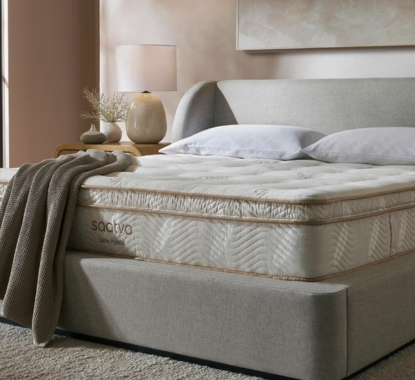
Stop Buying Stuff. Start Building a Home That Actually Feels Good to Come Back To

Home decor comes with an uncomfortable truth nobody talks about.
Most of us have spent a decent amount of money on our homes, and they still don't feel the way we thought they would when we bought all that stuff.
The throw blanket. The framed print. The matching storage baskets. The accent chair looked incredible in the photo, but slightly wrong in the living room. All of it was purchased with the quiet hope that this one thing would finally make the space feel complete.
It never does.
And the reason isn't your taste. It's the approach.
The Trap of Decorating by Accumulation
There's a particular kind of home decor shopping that happens in short bursts of inspiration. You see something on social media, it looks amazing in context, you buy it, it arrives, it's fine. You add it to the room. The room still feels like it's missing something. So you go looking again.
This is decorating by accumulation. And it produces homes that are full of stuff but short on feeling.
The problem is that you're shopping for objects when what you're actually looking for is an atmosphere. A feeling. A specific kind of relief when you walk through your front door after a long day.
Objects can support that feeling. They cannot create it on their own.
What "Feels Good to Come Back To" Actually Means
People describe their ideal home in feeling words, not furniture words. Calm. Warm. Mine. Like I can exhale here. Like no one needs anything from me.
That experience is built through coherence, not accumulation. It happens when the things in your space work together toward the same atmosphere rather than competing for visual attention.
A room with fewer, better-chosen things that all speak the same visual language feels dramatically more comfortable than a room packed with items from six different aesthetics bought across six different moods.
This is why minimalism works for some people, not because less is morally superior, but because fewer things mean less visual noise, and less visual noise means your nervous system can actually relax when you're home.
But minimalism isn't the only answer. Maximalism works too, when every piece is intentional and the chaos has a logic to it. The common thread isn't quantity. It's intention.
The Practical Shift That Changes Everything
Stop shopping to solve a problem in the moment. Start shopping with a specific feeling in mind.
Before you buy anything for your home, define the feeling first. Write it down if you have to. What do you want this room to feel like at 7pm on a weeknight when you're tired and you just want to be home?
Then ask whether what you're about to buy serves that feeling or just looks good in a product photo.
This one shift will save you money. It will save you the quiet disappointment of another purchase that doesn't deliver. And it will, over time, produce a home that actually feels like somewhere you chose to live.
The Things Worth Investing In
Some things genuinely change how a room feels and are worth spending real money on. These aren't always the most obvious ones.
Lighting is the most underrated element in any home. The right light at the right warmth level changes how a room feels more than almost any piece of furniture. If your home has one overhead light doing all the work, that's the first thing to fix.
Textiles do the same job. A good rug anchors a room. Real curtains at the right height change the perceived size and warmth of a space. These things feel good under your hands and against your feet, and that sensory detail is part of what makes a home feel genuinely comfortable rather than just furnished.
Scent is easy to forget and remarkably powerful. The way your home smells is part of the experience of coming back to it. A candle, a diffuser, fresh air — it matters more than we give it credit for.
The Home You Actually Want Already Exists
The home decor approach you've been using isn't the problem, the mindset behind it is. It's not waiting for a bigger budget or a different apartment. It's waiting for you to stop adding and start editing. To stop shopping impulsively and start choosing intentionally.
The version of your home that makes you exhale when you walk in isn't built in one shopping session. It's built through a series of honest decisions about what belongs there and what you've just been keeping out of habit.
Make those decisions. Clear the defaults. Keep what's actually yours.
Your home should feel like coming back to yourself. That's not too much to ask.